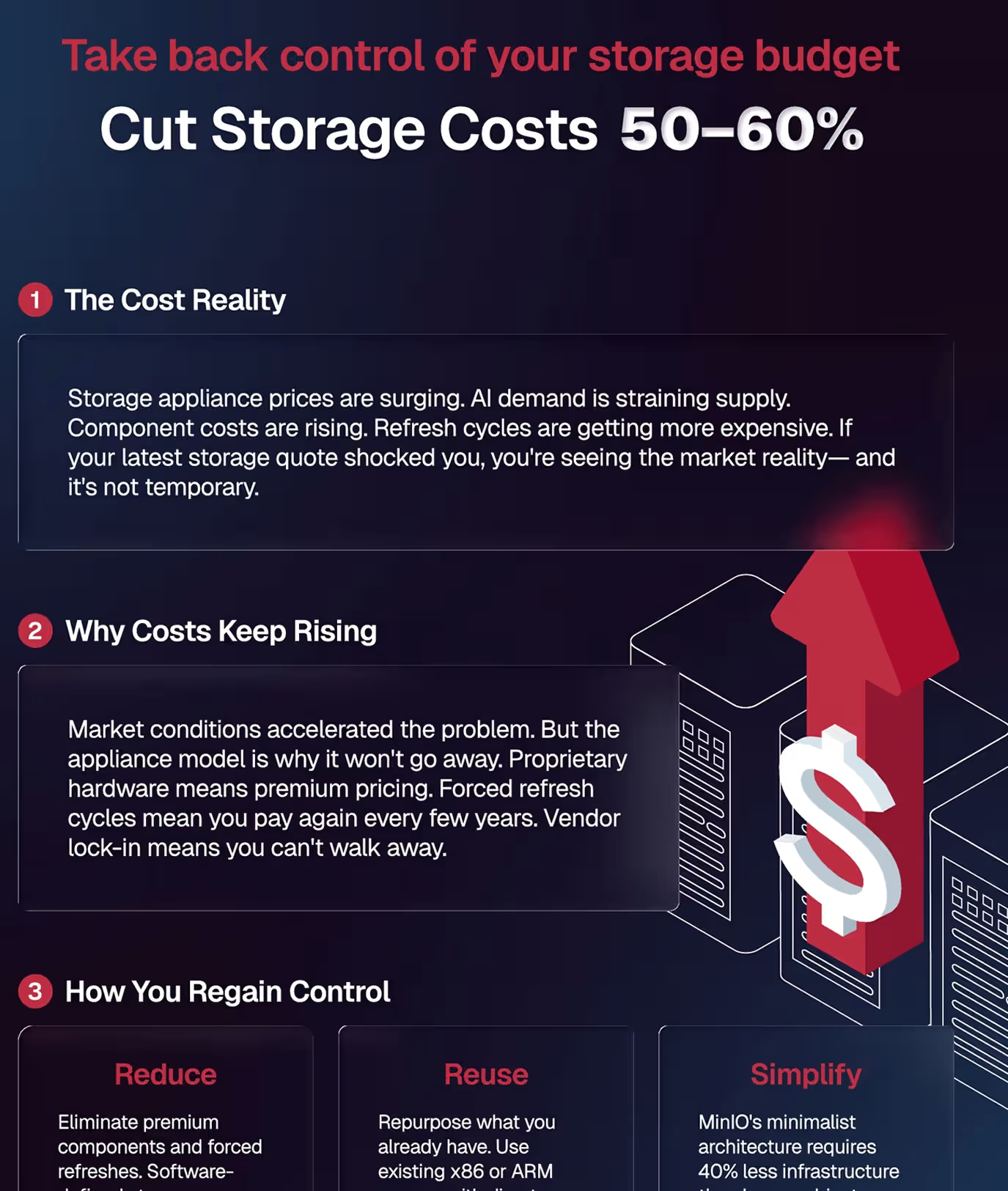
Storage appliance prices are surging. AI demand is straining supply chains, component costs are rising, and forced refresh cycles are compounding the expense. For organizations still locked into proprietary hardware from vendors like Dell, NetApp, or Hitachi, these market conditions are not temporary — they are structural. This resource explains why the appliance model perpetuates rising costs and how software-defined storage breaks the cycle. It outlines a three-part approach: Reduce (eliminate premium components and forced refreshes), Reuse (repurpose existing x86 or ARM servers with direct-attached storage), and Simplify (MinIO's architecture requires 40% less infrastructure than legacy object appliance vendors). MinIO AIStor is presented as the architectural alternative: high-performance, software-defined object storage built for AI and analytics that runs on any commodity hardware with no proprietary appliances and no forced upgrades. The result is 50–60% lower all-in TCO — hardware and software combined — with savings that compound with every refresh cycle avoided.
The appliance model — proprietary hardware, forced refresh cycles, and vendor lock-in — is the structural cause of rising storage costs, not a temporary market condition.
MinIO AIStor's software-defined architecture requires 40% less infrastructure than legacy object appliance vendors and runs on any x86 or ARM server with direct-attached storage.
Organizations switching to software-defined object storage on commodity hardware achieve 50–60% lower all-in TCO, with savings that compound every time a proprietary refresh cycle is avoided.
IT and infrastructure leaders at enterprises currently running proprietary storage appliances who are facing budget pressure from rising hardware costs, forced refresh cycles, or vendor lock-in.