AI ML Architecture: Modern Datalake Reference Guide
arrow
The Small Files Problem: Solutions for Big Data
arrow
Large numbers of small files present big challenges for application performance.
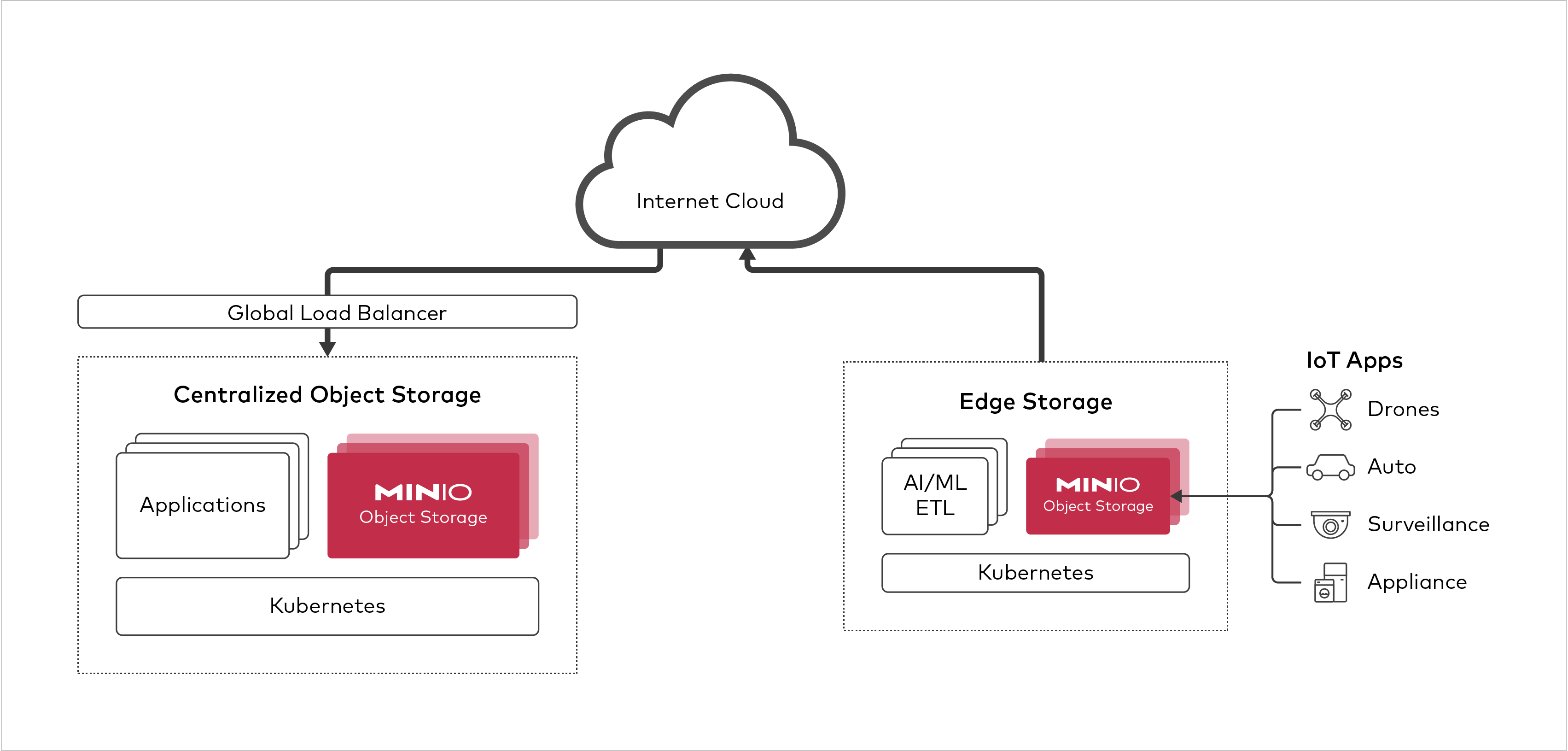
What Is Edge Storage? Benefits & Use Cases
arrow
The Buyer’s Guide to Software Defined Object Storage
arrow
Creating a framework for high-performance, cloud-native object storage is mission-critical in the modern enterprise. Take a look at The Buyer’s Guide to Software Defined #ObjectStorage to understand the key capabilities.
Architect’s Guide to Open Table Formats and Object Storage
arrow
Choosing the right open table format—Apache Iceberg, Delta Lake, or Apache Hudi—can make or break your data lakehouse. This guide breaks down their strengths, how they integrate with object storage, and which one is best for AI, analytics, and real-time workloads.
AIStor Best Practices for Updates and Restarts
arrow
Deep dive into AIStor mindset on how we do and recommend updates and restarts with AIStor.
Databases on Object Storage - the New Normal
arrow
The MinIO DataPod: A Reference Architecture for Exascale
arrow
The Architect's Guide to the New Private Cloud
arrow
Earn your RAG-ing rights with MinIO
arrow
In this blog, we will demonstrate how to use MinIO to build a Retrieval Augmented Generation(RAG) based chat application using commodity hardware.
The Architect’s Guide to the GenAI Tech Stack - Ten Tools
arrow
Data Lake Mysteries Unveiled: Nessie, Dremio, and MinIO Make Waves
arrow
Unleash data collaboration and quality with Nessie! Learn to manage branches, commits, and merges effortlessly. This guide walks you through deploying Dremio, MinIO, and Nessie, transforming your data engineering with collaborative precision. Dive in to revolutionize your workflows!
Using LXMIN in MinIO Multi-Node cluster
arrow
In this post let's take a look at how to set up multiple LXMIN servers backing up to a multi-node multi-drive MinIO cluster.
The Architects Guide to the Modern Data Stack
arrow
This is your symphony for data excellence. Explore the components of this modern data stack, including storage, data integration, transformation, data observability, data discovery, data visualization, data analytics, and machine learning.
Build a Streaming CDC Pipeline with MinIO and Redpanda into Snowflake
arrow
Build a streaming Change Data Capture (CDC) pipeline with Redpanda and MinIO into Snowflake. This solution simplifies data migration and analytics, with Redpanda offering scalability, MinIO as efficient storage, and Snowflake as a cloud-native analytics engine.
A Guided Tour of the MinIO Erasure Code Calculator
arrow
In this post we’ll talk about Erasure Coding and Erasure Sets, and then dive deeper into how to use the Erasure Code Calculator when designing deployments to make the most out of MinIO by opting for the right hardware configuration setup from the get go.
The Architect’s Guide to Data and File Formats
arrow
You must have heard of different data formats like Parquet, ORC, Avro, Arrow, Protobuf, Thrift and MessagePack. What are they and how to choose the right one?
The Definitive Guide to Lakehouse Architecture with Iceberg and MinIO
arrow
This post focuses on how Iceberg and MinIO complement each other and how various analytic frameworks (Spark, Flink, Trino, Dremio, and Snowflake) can leverage the two.
MinIO Object Storage Running on the Google Cloud Platform
arrow
Object Storage Erasure Coding vs. Block Storage RAID
arrow
Protecting blocks is not the same as protecting objects. Learn where block-level RAID falls short compared to erasure coding in distributed object storage.
Object Locking, Versioning, Holds and Modes in MinIO
arrow